Scientific Research on Argan Oil’s Skin Benefits Supporting Opalya Whitening Lotion

Woman smiling among argan tree leaves, showcasing natural skincare ingredients

The Science Behind Argan Oil and Skin Health

Argan oil, often called “liquid gold,” is extracted from the kernels of the Moroccan argan tree. Its unique composition of unsaturated fatty acids, tocopherols (vitamin E) and sterols makes it a prized ingredient in skincare. Studies note that the oil’s light consistency allows it to penetrate deeply and help protect the epidermis from drying out.

Sebum Regulation and Acne‑Prone Skin

A clinical study involving participants with oily skin found that applying a cream containing argan oil twice daily for four weeks reduced sebum production and visibly improved the condition of oily facial skin. Researchers attribute this effect to the oil’s glycerides and sterols, which may modulate sebum secretion and balance the skin’s lipid barrier. By helping regulate sebum, argan oil can support a clearer complexion without over‑drying.

Improved Skin Elasticity and Hydration

In post‑menopausal women, daily consumption and topical application of argan oil over sixty days resulted in a statistically significant increase in skin elasticity compared with olive oil. This improvement was linked to an increase in collagen and elastic fibers. Other studies observed significant reductions in transepidermal water loss and increases in epidermal water content after two months of nightly argan oil application. These findings suggest that argan oil helps strengthen the skin barrier, improve hydration and preserve the water‑holding capacity of the epidermis.

Anti‑Wrinkle and Anti‑Aging Effects

Research evaluating cosmetic creams containing argan oil reported decreases in wrinkle surface area (~23.7%) and wrinkle number (~11%) after 28 days of use. Participants also showed reduced transepidermal water loss, indicating improved barrier function. The antioxidant-rich profile of argan oil helps neutralize free radicals and may support collagen synthesis, contributing to smoother, more supple skin.

Potential for Pigment Regulation

Traditional Moroccan use of argan oil includes claims of reducing facial pigmentation. Experimental work with murine melanoma cells found that argan oil inhibited tyrosinase and dopachrome tautomerase, enzymes involved in melanin synthesis, leading to a dose‑dependent decrease in melanin content. Although more human studies are needed, this suggests that argan oil may gently influence pigment pathways.

Anti‑Inflammatory and Barrier Repair Properties

Argan oil is rich in antioxidants such as tocopherols and polyphenols, which help modulate inflammatory responses. Studies suggest that topical argan oil can reduce transepidermal water loss and improve the skin’s barrier by increasing lipid content. Its anti‑inflammatory and wound‑healing effects may soothe irritation and support recovery of damaged or sun‑exposed skin.

Conclusion

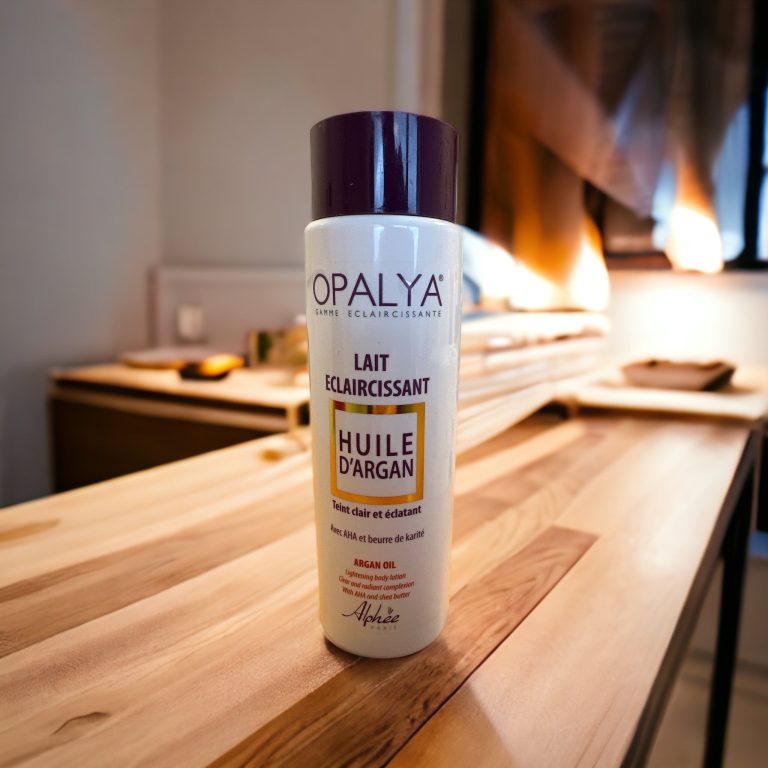
Academic research highlights argan oil’s multiple benefits for skin health. By regulating sebum production, enhancing elasticity and hydration, reducing the appearance of wrinkles, and potentially modulating pigmentation, argan oil offers a scientifically supported foundation for Opalya’s Argan Oil Whitening Lotion. Its natural antioxidants and fatty acids nourish and protect the skin, making it an excellent choice for those seeking a brighter, healthier complexion.

Further Reading
Similar Posts

  • What are the active ingredients in Opalya lightening milk?

    The Opalya brightening milk contains several active ingredients that contribute to its beneficial properties for the skin. These key components include:

    1. **Sodium Lactate**: A humectant that helps maintain skin hydration and has brightening properties, reducing the appearance of age spots and hyperpigmentation.
    2. **Glycerin**: A moisturizer that draws water into the upper layers of the skin, keeping it soft and smooth.
    3. **Butyrospermum Parkii (Shea) Butter**: An excellent emollient rich in fatty acids and vitamins that nourishes the skin and strengthens its barrier.
    4. **Citric Acid**: Used to adjust the pH and has exfoliating properties that reveal brighter, more even skin.
    5. **Lactic Acid**: An alpha-hydroxy acid known for improving skin texture and reducing pigmentation by accelerating cell renewal.
    6. **Sodium Hydroxide**: Adjusts pH and ensures the product remains pleasant to use.
    7. **Xanthan Gum**: A thickening agent that stabilizes the formulation and improves consistency for better application.
    8. **Methylchloroisothiazolinone and Methylisothiazolinone**: Preservatives that protect the product against bacteria, yeasts, and molds.

    Note that the harmful Hydroquinone is not included in the ingredients. Together, these active ingredients contribute to the effectiveness of Opalya brightening milk by hydrating, nourishing, and helping to reduce hyperpigmentation while maintaining the formulation’s integrity for safe and effective use. If you have any further questions, refer to the FAQ.

  • What Are the Side Effects of Argan Oil?

    Argan oil is widely recognized for its numerous benefits for the skin, largely due to its richness in vitamins, minerals, and essential fatty acids. As an active ingredient in skin brightening milk, it can offer a range of significant advantages. However, like any cosmetic product, it can also present some minor side effects.

    First, let’s talk about the benefits!

    Benefits of argan oil for the skin:

    1. Hydration: Argan oil is exceptionally moisturizing due to its high content of fatty acids, particularly oleic and linoleic acid. It helps maintain skin hydration by forming a lightweight barrier that locks in moisture.

    2. Antioxidants: Rich in vitamin E, a powerful antioxidant, argan oil helps protect the skin from damage caused by free radicals, which can reduce signs of aging and enhance skin radiance.

    3. Anti-aging effects: Argan oil may help reduce the appearance of wrinkles and fine lines by improving skin elasticity.

    4. Soothing: It has anti-inflammatory properties that can help calm skin conditions such as eczema and rosacea.

    5. Brightening effect: While argan oil is not a traditional skin brightening agent, it can help even out skin tone and reduce the appearance of dark spots due to its antioxidant content.

    Potential side effects of argan oil:

    1. Allergic reactions: Although rare, some individuals may develop an allergy to argan oil, especially if they are allergic to nuts. Symptoms may include rashes, itching, or other forms of skin irritation.

    2. Greasy skin: Due to its oily nature, argan oil may leave a greasy residue on the skin, which can be particularly problematic for individuals with naturally oily or acne-prone skin.

    3. Interaction with other products: Argan oil should be used with caution when combined with other strong skincare products, as it may potentially interfere with their absorption or effectiveness.

    When using argan oil in skincare products, it is important to start with small amounts to test your skin’s reaction, especially if you are prone to allergies or acne. In general, argan oil is considered safe and beneficial for most skin types, offering deep hydration and protection against signs of aging.

  • Opalya Brightening Care Without Hydroquinone January Sales

    The beginning of the year is the perfect time to take care of yourself and your skin. What if your New Year’s resolution this year was to enhance your skincare and beauty routine by discovering Opalya Brightening Milk, a revolutionary product for a brighter and more even skin tone?

    Why Choose Opalya Brightening Milk?

    1. Innovative formula: Opalya has developed a unique formula rich in fruit acids, which help to brighten and unify skin tone, along with nourishing ingredients (sweet almond oil, shea butter, etc.).
    2. Fast and effective results: Our customers notice a visible improvement in skin clarity within the first few weeks of regular use of our product range (soap and body milk).
    3. A complete skincare routine: The soap, exfoliating shower treatment, and hydrating body milk create a routine that gently cleanses and hydrates the skin of the body and face, while keeping it moisturized and protected from external aggressors.

    How to Use Opalya Brightening Milk?
    Use Opalya Brightening Milk daily after your shower for best results. Its lightweight, non-greasy texture absorbs quickly, leaving your skin soft and radiant. Also, use Opalya soap or shower gel to maximize the brightening effects.

    Testimonials from Satisfied Customers:
    Discover the reviews from our customers who have already transformed their skincare routine with Opalya Brightening Milk:

    Take the plunge and care for your skin in 2024! We wish you the best for this year… including radiant skin!

  • What Are the Main Advantages of Opalya Brightening Milk

    The Opalya brightening milk is specially formulated to meet the specific needs of black and mixed skin, offering advantages that distinguish it in the competitive skincare market. By focusing on a composition free from harmful agents like hydroquinone, Opalya positions itself as a safe and effective solution for those seeking to unify their complexion and revive their skin’s glow.

    The primary advantage lies in its targeted formulation, addressing unique characteristics like hyperpigmentation and post-inflammatory scars. Opalya provides a gentle yet effective treatment that helps reduce dark spots and unify the skin tone without being aggressive.

    Commitment to user safety is another crucial advantage, as Opalya eliminates harmful ingredients like hydroquinone, opting instead for safer, natural alternatives that brighten and revitalize the skin without health risks. It incorporates beneficial natural ingredients that nourish the skin, maintaining elasticity and vitality while contributing to a brighter complexion, particularly important for black and mixed skin.

    Opalya also helps revitalize tired or dull skin, enhancing brightness for a healthy and radiant glow essential for those with uneven skin. Its ability to effectively reduce hyperpigmentation by targeting excess melanin makes it particularly beneficial for individuals with darker skin tones.

    Thanks to its hydroquinone-free formulation, Opalya is safe for long-term use, allowing users to integrate it into their daily skincare routines without fearing the cumulative effects of harmful substances.

  • What is Hydroquinone and Why Does Opalya Avoid It?

    Hydroquinone is an organic compound that appears as a white crystal. It’s known for its antiseptic and oxidizing properties and has been used in various industrial applications, such as photographic development and rubber production. In cosmetics, hydroquinone is popular as an active ingredient in skin-lightening products due to its ability to inhibit the enzyme tyrosinase, which is involved in melanin production. This helps lighten areas of hyperpigmentation like brown spots and acne scars.

    When applied topically, hydroquinone penetrates the skin and normalizes excessive melanin production. While it is effective and often regarded as the “gold standard” for treating hyperpigmentation, concerns have arisen regarding its safety, especially with prolonged use. Common side effects include skin irritation and redness, but there are also more serious risks, such as exogenous ochronosis, which can cause irreversible darkening of the skin.

    Recognizing these concerns, Opalya has opted to develop lightening milks that do not contain hydroquinone, focusing instead on safe alternatives like fruit acids and plant extracts. This commitment reflects a broader priority for consumer safety and skin health, providing effective options for treating hyperpigmentation without the associated risks of hydroquinone.

Leave a Reply

Your email address will not be published. Required fields are marked *